Sabtu, 04 Desember 2021

Derma E Vitamin C Toner

Derma E Vitamin C Toner

A Guide to Vitamin C Serums

leonori/Shutterstock

For 70 years Vitamin C has been one of the biggest weapons in the skin care industry. It's used to make cleansers, moisturizers, lotions, masks, and serums. So what is this powerful vitamin? How can it benefit you? Why should you use serums that contain Vitamin C? We're here to answer all of those burning questions in this complete guide and reveal the many benefits Vitamin C serums offer for your skin.

What Are Vitamin C Serums?

There are many variations of Vitamin C, but the most popular is ascorbic acid, a common ingredient in skincare products. However, all the variations of Vitamin C have anti-inflammatory benefits.

Vitamin C Serums are products that contain a high level of Vitamin C. They're used to treat wrinkles, sagging skin, lighten dark or red spots, prevent breakouts and even your skin tone. Basically, they battle all of those annoying skin issues. There are loads of products out there that claim they'll save your skin, but some can cause damage. Vitamin C is one of the most revered ingredients and conclusive research has shown how effective it can be.

How Are Vitamin C Serums Made?

Well so far we've talked about how incredible Vitamin C is and it sounds like a dream come true doesn't it? It's not all good. In fact, the mighty vitamin is unstable when it's exposed to air and light. Other ingredients need to be used to stabilize it and allow it to deliver amazing results. The serums are combined with ferulic acid and Vitamin E. According to researchers the perfect mixture is 15% Vitamin C with 1% Vitamin E and 0.5% ferulic acid. This makes Vitamin C perform to the best of its abilities, without damaging your skin.

What Does Vitamin C Serum Do for Your Face?

Boosts Collagen Production: Collagen keeps your skin firm and prevents sagging. Environmental factors such as lifestyle choices and pollution can increase the elasticity of your skin, so it's important you try to increase your collagen production.

Hydrates Your Skin: Dry skin is a common issue, but Vitamin C can help to give your skin that much-needed moisture boost. Remember, it doesn't work immediately so you need to keep applying the serum to see results.

Brightens Your Complexion: Dark spots on your skin are caused by the overproduction of melanin. Vitamin C decreases the production and lightens the dark spots to even out your complexion.

Reduces Redness and Inflammation: Conditions such as Rosacea leave many people searching for a magic cure. Vitamin C helps facial redness and inflammation by reducing the appearance of broken capillaries.

Why Should You Be Using Vitamin C Serum?

Don't think Vitamin C serums are just beneficial for your face. They can also shield you from sun damage and reduce stretch marks.

Saves You From The Sun: Prolonged exposure to UV rays can cause long-term damage to your skin. Luckily, Vitamin C is a powerful antioxidant that reduces red sports and prevents sunburn from spreading.

Fades Acne Scars: Acne plagues most of us at some point and we look forward to being free. Most of us get stuck with some scars but Vitamin C helps to fade scars and even out any discoloration.

Reduces Stretch Marks: Yes, Vitamin C serum can even help prevent those unsightly stretch marks by tightening your skin.

Are you ready to change your skin? Add a Vitamin C serum to your beauty regimen and enjoy a glowing complexion.

Derma E Vitamin C Toner

Source: https://www.bloglines.com/article/a-guide-to-vitamin-c-serums?utm_content=params%3Ao%3D740010%26ad%3DdirN%26qo%3DserpIndex

Share:

Can Vitamin C Damage Your Hair

Can Vitamin C Damage Your Hair

Author:

Korean skincare is known for its innovation and forward-thinking products, leading to it becoming a growing beauty trend around the world. Now, a new hair tonic from Korean brand Vitabrid C¹², claims to be able to treathair losswith a vitamin C solution.

But can vitamin C really help to regrow hair? And, if so, is applying it directly to the scalp better than ingesting it? We asked Belgravia superintendent pharmacist,Christina Chikaher, for her thoughts on this new product as well as how vitamin C can affect hair growth.

nutrition-juice-kiwi-strawberry-strawberries-vitamin-c-food-health-diet-hair-growthVitamin C and hair growth

Christina explains, "Vitamin C is a water soluble vitamin. The human body cannot manufacture or store it, therefore it must be consumed on a daily basis. In addition to being taken orally via food sources such as oranges, strawberries, kale and bell peppers, or through nutritional support supplements, vitamin C is essential for collagen biosynthesis and is available in a variety of topical creams, lotions and transdermal patches."

The anti-oxidant is also used in topical cosmetic skincare products for its 'anti-ageing' properties and alleged skin brightening effects.

"Vitamin C is needed for a wide range of bodily functions, including wound healing, tissue support, bone health and collagen production. It also offers protection from free radical damage, also known asoxidative stress, which is important where hair loss is concerned," advises Christina.

Oxidative stress is described by the Department of Medicine at the Sir Jules Thorn Institute in London's The Middlesex Hospital, as 'a disturbance in the balance between the production of reactive oxygen species (free radicals) and antioxidant defenses'. Essentially, it is a damaging form of internal stress caused by an excess of free radicals. These free radicals can be formed as a reaction to various lifestyle issues, including physical and emotionalstress, excessive alcohol intake, smoking and/or an unbalanceddiet, as well as environmental issues such as air pollution.

The reason this is important is because oxidative stress has been linked to premature hair lossin two recent clinical studies.

"Additionally, vitamin C is vital for the absorption of iron. An iron deficiency can cause chronic hair loss from anaemia-relatedDiffuse Thinning, though an excess of iron can also lead to this same hair loss condition," notes Christina. "How effective Vitamin C would be in aiding iron absorption as a topical preparation is unclear."

ChristinaTopical vitamin C as a hair loss treatment

Having looked into the new Korean hair tonic, we asked Christina, pictured, for her opinion on whether this vitamin C 'hair loss treatment' could work.

"In principle the theory behind this preparation seems very logical. However, I am always of the belief that if it seems too good to be true then it's likely to be just that," she tells us. "Perhaps I would have had more confidence if it was an oral and not a topical preparation as topical vitamin C is usually quite unstable. Because it is unstable and difficult to deliver into the dermis in the optimum dosage, research is constantly being done to find stable compounds of Vitamin C and newer methods of delivery of Vitamin C into the dermis."

The hair tonic is the brand's latest beauty product to use the Vitabrid C12 ingredient which was developed by Dr. Jinho Choy, a chemist working at Seoul's Ewha Womans University. It is also used in skin brightening products and acne treatments. The tonic comprises a powder element which the user mixes in to a liquid spray bottle containing another solution, is sold by high-end department store Barney's New York in the US, which states on its product information: "Through proprietary biotechnology, vitamin C is mixed with stabilizing zinc, a combination designed to capture the nutrient's potency and allow it to penetrate the skin and scalp over the course of 12 hours."

Despite zinc and vitamin C both having beneficial properties for hair health – hence their inclusion in Belgravia's exclusive range of hair supplements for men and women, Hair Vitalics – Christina is still sceptical as to their topical benefits in relation to treating hair loss.

Cosmetic hair boosters

"This tonic claims stability and increased scalp penetration over 12 hours. It also claims – or rather hopes – that 'because hair growth is a function of epidermal stem cells, the use of vitamin C may be able to trick the cells into behaving like they did when they were younger', in order to generate hair from the follicles. However, I cannot find any published scientific research to reliably substantiate these claims."

Belgravia Centre Hair Loss Treatment Men Women Hair Growth Hair Care 360px"Also, there is the question as to which hairloss conditions it is meant to benefit as, for example, vitamins cannot treatandrogenetic alopecia as they do not address the DHT issue. This is why we included saw palmetto in Belgravia'sHair Vitalics for Men supplements and the soy isoflavones genistein and daidzen in the Hair Vitalics for Women–because research has shown that these can lower the levels of DHT in the bloodstream."

In fact, it may be media coverage that is misconstruing the product's actual purpose – which, thanks to cleverly worded marketing material, is easy to do. Though the brand's website is still under construction, the available marketing information from vendors clearly states that the hair tonic is a 'beauty treatment' – meaning a product designed to cosmetically enhance the look of the hair, not ahair loss treatment, meaning a medical regime used to stabilise hair fall, promote hair growth and prevent baldness.

This sentiment is backed by various claims stating that the product is, in fact, "specifically formulated for intensive care of hair and scalp to promote the look and feel of thicker, fuller hair" and to "diminish the appearance of hair loss". 'Promoting the look and feel' of thicker hair and 'diminishing the appearance of hair loss' infers a beauty product that works on a cosmetic level. For instance, a wig or microscopic hair fibres can make the same claims as they can temporarily make the hair appear thicker and reduce the appearance of hair loss. What these types of products do not do – unlike clinically-proven medications – is actually treat hair loss. With this in mind, whilst we do not doubt that this product may be useful to some, we believe it should be considered as a cosmetic concealant, or may possibly fall into the category ofhair growth supporting products, rather than be classed – as media reports have done – as any kind of hair loss treatment.


The Belgravia Centre Hair Loss Clinic - Hair Loss Specialist ConsultationThe Belgravia Centre

The Belgravia Centre is an organisation specialising in hair growth and hair loss prevention with two clinics and in-house pharmacies in Central London, UK. If you are worried about hair loss you canarrange a free consultation with a hair loss expert or complete ourOnline Consultation Form from anywhere in the world. View ourHair Loss Success Stories, which includes the world's largest gallery of hair growth comparison photos and demonstrates the levels of success that so many of Belgravia's patients achieve. You can also phone020 7730 6666 any time to arrange a free consultation.


Can Vitamin C Damage Your Hair

Source: https://www.belgraviacentre.com/blog/can-vitamin-c-be-used-as-a-hair-regrowth-treatment/

Share:

Brown Spotting After Vitamin C

Brown Spotting After Vitamin C

Vaginal Bleeding (Non-pregnancy): Care Instructions

Abdomen showing location of uterus, cervix, ovaries, fallopian tubes, and vagina.

Overview

It's common to have bleeding or spotting between periods. Lots of things can cause it. You may bleed because of hormone problems, stress, or ovulation. Fibroids and IUDs (intrauterine devices) can also cause bleeding.

If your bleeding or spotting is caused by one of these things and isn't heavy or doesn't happen often, you probably don't need to worry.

But in rare cases, infection, cancer, or other serious conditions can cause bleeding. So you may need more tests to find the cause of your bleeding.

The doctor has checked you carefully, but problems can develop later. If you notice any problems or new symptoms, get medical treatment right away.

Follow-up care is a key part of your treatment and safety. Be sure to make and go to all appointments, and call your doctor or nurse call line if you are having problems. It's also a good idea to know your test results and keep a list of the medicines you take.

How can you care for yourself at home?

  • Take pain medicines exactly as directed.
    • If the doctor gave you a prescription medicine for pain, take it as prescribed.
    • If you are not taking a prescription pain medicine, ask your doctor if you can take an over-the-counter medicine. Do not take aspirin, which may make bleeding worse.
  • If your doctor prescribed birth control pills for your bleeding, take them as directed.
  • Eat foods that are high in iron and vitamin C. Foods high in iron include red meat, shellfish, eggs, beans, and leafy green vegetables. Foods high in vitamin C include citrus fruits, tomatoes, and broccoli. Ask your doctor if you need to take iron pills or a multivitamin.
  • Ask your doctor when it is okay to have sex.

When should you call for help?

Call 911 anytime you think you may need emergency care. For example, call if:

  • You passed out (lost consciousness).

Call your doctor or nurse call line now or seek immediate medical care if:

  • You have severe vaginal bleeding.
  • You are dizzy or light-headed, or you feel like you may faint.
  • You have new or worse belly or pelvic pain.

Watch closely for changes in your health, and be sure to contact your doctor or nurse call line if:

  • Your bleeding gets worse.
  • You think you might be pregnant.
  • You do not get better as expected.

Where can you learn more?

Go to https://www.healthwise.net/patientEd

Enter L814 in the search box to learn more about "Vaginal Bleeding (Non-pregnancy): Care Instructions".

Brown Spotting After Vitamin C

Source: https://myhealth.alberta.ca/health/AfterCareInformation/pages/conditions.aspx?hwid=te8210&

Share:

Benefits Of Taking Vitamin C At Night

Benefits Of Taking Vitamin C At Night

Vitamin C is an essential vitamin, meaning your body can't produce it. Yet, it has many roles and has been linked to impressive health benefits.

It's water-soluble and found in many fruits and vegetables, including oranges, strawberries, kiwi fruit, bell peppers, broccoli, kale, and spinach.

The recommended daily intake for vitamin C is 75 mg for women and 90 mg for men (1).

While it's commonly advised to get your vitamin C intake from foods, many people turn to supplements to meet their needs.

Here are 7 scientifically proven benefits of taking a vitamin C supplement.

Vitamin C is a powerful antioxidant that can strengthen your body's natural defenses (2).

Antioxidants are molecules that boost the immune system. They do so by protecting cells from harmful molecules called free radicals.

When free radicals accumulate, they can promote a state known as oxidative stress, which has been linked to many chronic diseases (3).

Studies show that consuming more vitamin C can increase your blood antioxidant levels by up to 30%. This helps the body's natural defenses fight inflammation (4, 5).

SUMMARY

Vitamin C is a strong antioxidant that can boost your blood antioxidant levels. This may help reduce the risk of chronic diseases like heart disease.

Approximately one-third of American adults have high blood pressure (6).

High blood pressure puts you at risk of heart disease, the leading cause of death globally (7).

Studies have shown that vitamin C may help lower blood pressure in both those with and without high blood pressure.

An animal study found that taking a vitamin C supplement helped relax the blood vessels that carry blood from the heart, which helped reduce blood pressure levels (8).

Moreover, an analysis of 29 human studies found that taking a vitamin C supplement reduced systolic blood pressure (the upper value) by 3.8 mmHg and diastolic blood pressure (the lower value) by 1.5 mmHg, on average, in healthy adults.

In adults with high blood pressure, vitamin C supplements reduced systolic blood pressure by 4.9 mmHg and diastolic blood pressure by 1.7 mmHg, on average (9).

While these results are promising, it's not clear whether the effects on blood pressure are long term. Moreover, people with high blood pressure should not rely on vitamin C alone for treatment.

SUMMARY

Vitamin C supplements have been found to lower blood pressure in both healthy adults and those with high blood pressure.

Heart disease is the leading cause of death worldwide (7).

Many factors increase the risk of heart disease, including high blood pressure, high triglyceride or LDL (bad) cholesterol levels, and low levels of HDL (good) cholesterol.

Vitamin C may help reduce these risk factors, which may reduce heart disease risk.

For example, an analysis of 9 studies with a combined 293,172 participants found that after 10 years, people who took at least 700 mg of vitamin C daily had a 25% lower risk of heart disease than those who did not take a vitamin C supplement (10).

Interestingly, another analysis of 15 studies found that consuming vitamin C from foods — not supplements — was linked to a lower risk of heart disease.

However, scientists were unsure whether people who consumed vitamin-C-rich foods also followed a healthier lifestyle than people who took a supplement. Thus, it remains unclear whether the differences were due to vitamin C or other aspects of their diet (11).

Another analysis of 13 studies looked at the effects of taking at least 500 mg of vitamin C daily on risk factors for heart disease, such as blood cholesterol and triglyceride levels.

The analysis found that taking a vitamin C supplement significantly reduced LDL (bad) cholesterol by approximately 7.9 mg/dL and blood triglycerides by 20.1 mg/dL (12).

In short, it seems that taking or consuming at least 500 mg of vitamin C daily may reduce the risk of heart disease. However, if you already consume a vitamin-C-rich diet, then supplements may not provide additional heart health benefits.

SUMMARY

Vitamin C supplements have been linked to a reduced risk of heart disease. These supplements may lower heart disease risk factors, including high blood levels of LDL (bad) cholesterol and triglycerides.

Gout is a type of arthritis that affects approximately 4% of American adults (13).

It's incredibly painful and involves inflammation of the joints, especially those of the big toes. People with gout experience swelling and sudden, severe attacks of pain (14).

Gout symptoms appear when there is too much uric acid in the blood. Uric acid is a waste product produced by the body. At high levels, it may crystallize and deposit in the joints.

Interestingly, several studies have shown that vitamin C may help reduce uric acid in the blood and, as a result, protect against gout attacks.

For example, a study including 1,387 men found that those who consumed the most vitamin C had significantly lower blood levels of uric acid than those who consumed the least (15).

Another study followed 46,994 healthy men over 20 years to determine whether vitamin C intake was linked to developing gout. It found that people who took a vitamin C supplement had a 44% lower gout risk (16).

Additionally, an analysis of 13 studies found that taking a vitamin C supplement over 30 days significantly reduced blood uric acid, compared with a placebo (17).

While there appears to be a strong link between vitamin C intake and uric acid levels, more studies on the effects of vitamin C on gout are needed.

SUMMARY

Vitamin-C-rich foods and supplements have been linked to reduced blood uric acid levels and lower risk of gout.

Iron is an important nutrient that has a variety of functions in the body. It's essential for making red blood cells and transporting oxygen throughout the body.

Vitamin C supplements can help improve the absorption of iron from the diet. Vitamin C assists in converting iron that is poorly absorbed, such as plant-based sources of iron, into a form that is easier to absorb (18).

This is especially useful for people on a meat-free diet, as meat is a major source of iron.

In fact, simply consuming 100 mg of vitamin C may improve iron absorption by 67% (19).

As a result, vitamin C may help reduce the risk of anemia among people prone to iron deficiency.

In one study, 65 children with mild iron deficiency anemia were given a vitamin C supplement. Researchers found that the supplement alone helped control their anemia (20).

If you have low iron levels, consuming more vitamin-C-rich foods or taking a vitamin C supplement may help improve your blood iron levels.

SUMMARY

Vitamin C can improve the absorption of iron that is poorly absorbed, such as iron from meat-free sources. It may also reduce the risk of iron deficiency.

One of the main reasons people take vitamin C supplements is to boost their immunity, as vitamin C is involved in many parts of the immune system.

First, vitamin C helps encourage the production of white blood cells known as lymphocytes and phagocytes, which help protect the body against infection (21).

Second, vitamin C helps these white blood cells function more effectively while protecting them from damage by potentially harmful molecules, such as free radicals.

Third, vitamin C is an essential part of the skin's defense system. It's actively transported to the skin, where it can act as an antioxidant and help strengthen the skin's barriers (22).

Studies have also shown that taking vitamin C may shorten wound healing time (23, 24).

What's more, low vitamin C levels have been linked to poor health outcomes.

For example, people who have pneumonia tend to have lower vitamin C levels, and vitamin C supplements have been shown to shorten the recovery time (25, 26).

SUMMARY

Vitamin C may boost immunity by helping white blood cells function more effectively, strengthening your skin's defense system, and helping wounds heal faster.

Dementia is a broad term used to describe symptoms of poor thinking and memory.

It affects over 35 million people worldwide and typically occurs among older adults (27).

Studies suggest that oxidative stress and inflammation near the brain, spine, and nerves (altogether known as the central nervous system) can increase the risk of dementia (28).

Vitamin C is a strong antioxidant. Low levels of this vitamin have been linked to an impaired ability to think and remember (29, 30).

Moreover, several studies have shown that people with dementia may have lower blood levels of vitamin C (31, 32).

Furthermore, high vitamin C intake from food or supplements has been shown to have a protective effect on thinking and memory as you age (33, 34, 35).

Vitamin C supplements may aid against conditions like dementia if you don't get enough vitamin C from your diet. However, additional human studies are needed to understand the effects of vitamin C supplements on nervous system health (36).

SUMMARY

Low vitamin C levels have been linked to an increased risk of memory and thinking disorders like dementia, while a high intake of vitamin C from foods and supplements has been shown to have a protective effect.

While vitamin C has many scientifically proven benefits, it also has many unfounded claims supported by either weak evidence or no evidence at all.

Here are some unproven claims about vitamin C:

  • Prevents the common cold. While vitamin C appears to reduce the severity of colds and recovery time by 8% in adults and 14% in children, it does not prevent them (37).
  • Reduces cancer risk. A handful of studies have linked vitamin C intake to a lower risk of several cancers. However, most studies have found that vitamin C does not affect the risk of developing cancer (38).
  • Protects against eye disease. Vitamin C has been linked to reduced risks of eye diseases like cataracts and age-related macular degeneration. However, vitamin C supplements have no effect or may even cause harm (39, 40, 41).
  • May treat lead toxicity. Although people with lead toxicity appear to have low vitamin C levels, there is no strong evidence from human studies that show vitamin C can treat lead toxicity (42).
SUMMARY

Although vitamin C has many proven benefits, it has not been shown to prevent the common cold, reduce cancer risk, protect against eye diseases, or treat lead toxicity.

Vitamin C is a water-soluble vitamin that must be obtained from the diet or supplements.

It has been linked to many impressive health benefits, such as boosting antioxidant levels, lowering blood pressure, protecting against gout attacks, improving iron absorption, boosting immunity, and reducing heart disease and dementia risk.

Overall, vitamin C supplements are a great and simple way to boost your vitamin C intake if you struggle to get enough from your diet.

Benefits Of Taking Vitamin C At Night

Source: https://www.healthline.com/nutrition/vitamin-c-benefits

Share:

Am I Getting Enough Vitamin C

Am I Getting Enough Vitamin C

A woman discussing supplements with a pharmacist.

This is a reader-friendly overview of Vitamin C. For more details, see our health professional fact sheet on Vitamin C.

For information on vitamin C and COVID-19, see Dietary Supplements in the Time of COVID-19.

What is vitamin C and what does it do?

Vitamin C, also known as ascorbic acid, is a water-soluble nutrient found in some foods. In the body, it acts as an antioxidant, helping to protect cells from the damage caused by free radicals. Free radicals are compounds formed when our bodies convert the food we eat into energy. People are also exposed to free radicals in the environment from cigarette smoke, air pollution, and ultraviolet light from the sun.

The body also needs vitamin C to make collagen, a protein required to help wounds heal. In addition, vitamin C improves the absorption of iron from plant-based foods and helps the immune system work properly to protect the body from disease.

How much vitamin C do I need?

The amount of vitamin C you need each day depends on your age. Average daily recommended amounts for different ages are listed below in milligrams (mg).

Life Stage Recommended Amount
Birth to 6 months 40 mg
Infants 7–12 months 50 mg
Children 1–3 years 15 mg
Children 4–8 years 25 mg
Children 9–13 years 45 mg
Teens 14–18 years (boys) 75 mg
Teens 14–18 years (girls) 65 mg
Adults (men) 90 mg
Adults (women) 75 mg
Pregnant teens 80 mg
Pregnant women 85 mg
Breastfeeding teens 115 mg
Breastfeeding women 120 mg

If you smoke, add 35 mg to the above values to calculate your total daily recommended amount.

What foods provide vitamin C?

Fruits and vegetables are the best sources of vitamin C. You can get recommended amounts of vitamin C by eating a variety of foods including the following:

  • Citrus fruits (such as oranges and grapefruit) and their juices, as well as red and green pepper and kiwifruit, which have a lot of vitamin C.
  • Other fruits and vegetables—such as broccoli, strawberries, cantaloupe, baked potatoes, and tomatoes—which also have vitamin C.
  • Some foods and beverages that are fortified with vitamin C. To find out if vitamin C has been added to a food product, check the product labels.

The vitamin C content of food may be reduced by prolonged storage and by cooking. Steaming or microwaving may lessen cooking losses. Fortunately, many of the best food sources of vitamin C, such as fruits and vegetables, are usually eaten raw.

What kinds of vitamin C dietary supplements are available?

Most multivitamins have vitamin C. Vitamin C is also available alone as a dietary supplement or in combination with other nutrients. The vitamin C in dietary supplements is usually in the form of ascorbic acid, but some supplements have other forms, such as sodium ascorbate, calcium ascorbate, other mineral ascorbates, and ascorbic acid with bioflavonoids. Research has not shown that any form of vitamin C is better than the other forms.

Am I getting enough vitamin C?

Most people in the United States get enough vitamin C from foods and beverages. However, certain groups of people are more likely than others to have trouble getting enough vitamin C:

  • People who smoke and those who are exposed to secondhand smoke, in part because smoke increases the amount of vitamin C that the body needs to repair damage caused by free radicals. People who smoke need 35 mg more vitamin C per day than nonsmokers.
  • Infants who are fed evaporated or boiled cow's milk, because cow's milk has very little vitamin C and heat can destroy vitamin C. Cow's milk is not recommended for infants under 1 year of age. Breast milk and infant formula have adequate amounts of vitamin C.
  • People who eat a very limited variety of food.
  • People with certain medical conditions such as severe malabsorption, some types of cancer, and kidney disease requiring hemodialysis.

What happens if I don't get enough vitamin C?

Vitamin C deficiency is rare in the United States and Canada. People who get little or no vitamin C (below about 10 mg per day) for many weeks can get scurvy. Scurvy causes fatigue, inflammation of the gums, small red or purple spots on the skin, joint pain, poor wound healing, and corkscrew hairs. Additional signs of scurvy include depression as well as swollen, bleeding gums and loosening or loss of teeth. People with scurvy can also develop anemia. Scurvy is fatal if it is not treated.

What are some effects of vitamin C on health?

Scientists are studying vitamin C to understand how it affects health. Here are several examples of what this research has shown.

Cancer prevention and treatment

People with high intakes of vitamin C from fruits and vegetables might have a lower risk of getting many types of cancer, such as lung, breast, and colon cancer. However, taking vitamin C supplements, with or without other antioxidants, doesn't seem to protect people from getting cancer.

It is not clear whether taking high doses of vitamin C is helpful as a treatment for cancer. Vitamin C's effects appear to depend on how it is administered to the patient. Oral doses of vitamin C can't raise blood levels of vitamin C nearly as high as intravenous doses given through injections. A few studies in animals and test tubes indicate that very high blood levels of vitamin C might shrink tumors. But more research is needed to determine whether high-dose intravenous vitamin C helps treat cancer in people.

Vitamin C dietary supplements and other antioxidants might interact with chemotherapy and radiation therapy for cancer. People being treated for cancer should talk with their oncologist before taking vitamin C or other antioxidant supplements, especially in high doses.

Cardiovascular disease

People who eat lots of fruits and vegetables seem to have a lower risk of cardiovascular disease. Researchers believe that the antioxidant content of these foods might be partly responsible for this association because oxidative damage is a major cause of cardiovascular disease. However, scientists aren't sure whether vitamin C itself, either from food or supplements, helps protect people from cardiovascular disease. It is also not clear whether vitamin C helps prevent cardiovascular disease from getting worse in people who already have it.

Age-related macular degeneration (AMD) and cataracts

AMD and cataracts are two of the leading causes of vision loss in older people. Researchers do not believe that vitamin C and other antioxidants affect the risk of getting AMD. However, research suggests that vitamin C combined with other nutrients might help slow AMD progression.

In a large study among older people with AMD who were at high risk of developing advanced AMD, those who took a daily dietary supplement with 500 mg vitamin C, 80 mg zinc, 400 IU vitamin E, 15 mg beta-carotene, and 2 mg copper for about 6 years had a lower chance of developing advanced AMD. They also had less vision loss than those who did not take the dietary supplement. People who have or are developing the disease might want to talk with their doctor about taking dietary supplements.

The relationship between vitamin C and cataract formation is unclear. Some studies show that people who get more vitamin C from foods have a lower risk of getting cataracts. But further research is needed to clarify this association and to determine whether vitamin C supplements affect the risk of getting cataracts.

The common cold

Although vitamin C has long been a popular remedy for the common cold, research shows that for most people, vitamin C supplements do not reduce the risk of getting the common cold. However, people who take vitamin C supplements regularly might have slightly shorter colds or somewhat milder symptoms when they do have a cold. Using vitamin C supplements after cold symptoms start does not appear to be helpful.

Can vitamin C be harmful?

Taking too much vitamin C can cause diarrhea, nausea, and stomach cramps. In people with a condition called hemochromatosis, which causes the body to store too much iron, high doses of vitamin C could worsen iron overload and damage body tissues.

The daily upper limits for vitamin C include intakes from all sources—food, beverages, and supplements—and are listed below:

Life Stage Upper Limit
Birth to 12 months Not established
Children 1–3 years 400 mg
Children 4–8 years 650 mg
Children 9–13 years 1,200 mg
Teens 14–18 years 1,800 mg
Adults 2,000 mg

Does vitamin C interact with medications or other dietary supplements?

Vitamin C dietary supplements can interact or interfere with medicines that you take. Here are several examples:

  • Vitamin C dietary supplements might interact with cancer treatments, such as chemotherapy and radiation therapy. It is not clear whether vitamin C might have the unwanted effect of protecting tumor cells from cancer treatments or whether it might help protect normal tissues from getting damaged. If you are being treated for cancer, check with your healthcare provider before taking vitamin C or other antioxidant supplements, especially in high doses.
  • In one study, vitamin C plus other antioxidants (such as vitamin E, selenium, and beta-carotene) reduced the heart-protective effects of two drugs taken in combination (a statin and niacin) to control blood-cholesterol levels. It is not known whether this interaction also occurs with other statins. Healthcare providers should monitor lipid levels in people taking both statins and antioxidant supplements.

Tell your doctor, pharmacist, and other healthcare providers about any dietary supplements and medicines you take. They can tell you if those dietary supplements might interact or interfere with your prescription or over-the-counter medicines or if the medicines might interfere with how your body absorbs, uses, or breaks down nutrients.

Vitamin C and healthful eating

People should get most of their nutrients from food and beverages, according to the federal government's Dietary Guidelines for Americans. Foods contain vitamins, minerals, dietary fiber and other components that benefit health. In some cases, fortified foods and dietary supplements are useful when it is not possible to meet needs for one or more nutrients (e.g., during specific life stages such as pregnancy). For more information about building a healthy dietary pattern, see the Dietary Guidelines for Americans external link disclaimer and the U.S. Department of Agriculture's MyPlate.external link disclaimer

Where can I find out more about vitamin C?

Disclaimer

This fact sheet by the Office of Dietary Supplements (ODS) provides information that should not take the place of medical advice. We encourage you to talk to your healthcare providers (doctor, registered dietitian, pharmacist, etc.) about your interest in, questions about, or use of dietary supplements and what may be best for your overall health. Any mention in this publication of a specific product or service, or recommendation from an organization or professional society, does not represent an endorsement by ODS of that product, service, or expert advice.

Am I Getting Enough Vitamin C

Source: https://ods.od.nih.gov/factsheets/VitaminC-Consumer/

Share:

What Is The C In Vitamin C

What Is The C In Vitamin C

A Guide to Vitamin C Serums

leonori/Shutterstock

For 70 years Vitamin C has been one of the biggest weapons in the skin care industry. It's used to make cleansers, moisturizers, lotions, masks, and serums. So what is this powerful vitamin? How can it benefit you? Why should you use serums that contain Vitamin C? We're here to answer all of those burning questions in this complete guide and reveal the many benefits Vitamin C serums offer for your skin.

What Are Vitamin C Serums?

There are many variations of Vitamin C, but the most popular is ascorbic acid, a common ingredient in skincare products. However, all the variations of Vitamin C have anti-inflammatory benefits.

Vitamin C Serums are products that contain a high level of Vitamin C. They're used to treat wrinkles, sagging skin, lighten dark or red spots, prevent breakouts and even your skin tone. Basically, they battle all of those annoying skin issues. There are loads of products out there that claim they'll save your skin, but some can cause damage. Vitamin C is one of the most revered ingredients and conclusive research has shown how effective it can be.

How Are Vitamin C Serums Made?

Well so far we've talked about how incredible Vitamin C is and it sounds like a dream come true doesn't it? It's not all good. In fact, the mighty vitamin is unstable when it's exposed to air and light. Other ingredients need to be used to stabilize it and allow it to deliver amazing results. The serums are combined with ferulic acid and Vitamin E. According to researchers the perfect mixture is 15% Vitamin C with 1% Vitamin E and 0.5% ferulic acid. This makes Vitamin C perform to the best of its abilities, without damaging your skin.

What Does Vitamin C Serum Do for Your Face?

Boosts Collagen Production: Collagen keeps your skin firm and prevents sagging. Environmental factors such as lifestyle choices and pollution can increase the elasticity of your skin, so it's important you try to increase your collagen production.

Hydrates Your Skin: Dry skin is a common issue, but Vitamin C can help to give your skin that much-needed moisture boost. Remember, it doesn't work immediately so you need to keep applying the serum to see results.

Brightens Your Complexion: Dark spots on your skin are caused by the overproduction of melanin. Vitamin C decreases the production and lightens the dark spots to even out your complexion.

Reduces Redness and Inflammation: Conditions such as Rosacea leave many people searching for a magic cure. Vitamin C helps facial redness and inflammation by reducing the appearance of broken capillaries.

Why Should You Be Using Vitamin C Serum?

Don't think Vitamin C serums are just beneficial for your face. They can also shield you from sun damage and reduce stretch marks.

Saves You From The Sun: Prolonged exposure to UV rays can cause long-term damage to your skin. Luckily, Vitamin C is a powerful antioxidant that reduces red sports and prevents sunburn from spreading.

Fades Acne Scars: Acne plagues most of us at some point and we look forward to being free. Most of us get stuck with some scars but Vitamin C helps to fade scars and even out any discoloration.

Reduces Stretch Marks: Yes, Vitamin C serum can even help prevent those unsightly stretch marks by tightening your skin.

Are you ready to change your skin? Add a Vitamin C serum to your beauty regimen and enjoy a glowing complexion.

What Is The C In Vitamin C

Source: https://www.bloglines.com/article/a-guide-to-vitamin-c-serums?utm_content=params%3Ao%3D740010%26ad%3DdirN%26qo%3DserpIndex

Share:

Jumat, 03 Desember 2021

Vitamin C Kids Liquid

Vitamin C Kids Liquid

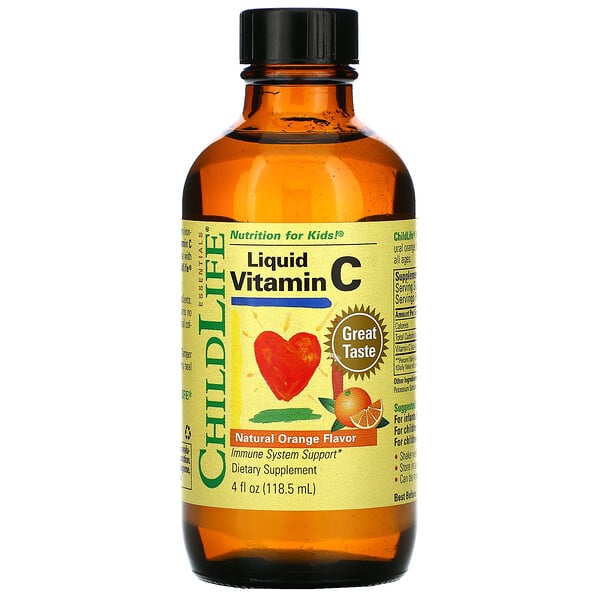
ChildLife, Essentials, Liquid Vitamin C, Natural Orange, 4 fl oz (118.5 ml)

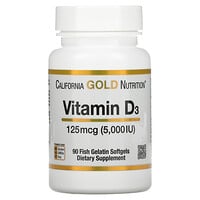
Essentials, Liquid Vitamin C, Natural Orange, 4 fl oz (118.5 ml) California Gold Nutrition, Vitamin D3, 125 mcg (5,000 IU), 90 Fish Gelatin Softgels

In Stock

  • Expiration Date: June 26 2022
  • Date First Available: May 30 2007
  • Shipping Weight:
  • Product code: CDL-10200
  • UPC Code: 608274102002
  • Package Quantity: 4 fl oz
  • Dimensions:

Product rank:

Similar item to consider

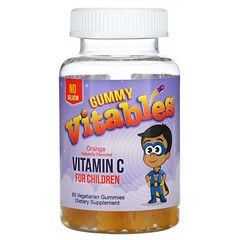
Vitables, Gummy Vitamin C For Children, No Gelatin, Orange, 60 Vegetarian Gummies

Vitables, Gummy Vitamin C For Children, No Gelatin, Orange, 60 Vegetarian Gummies

£6.27

Frequently purchased together

Product overview

Description

  • Nutrition for Kids!®
  • Great Taste
  • Immune System Support
  • Dietary Supplement
  • Gluten Free, Casein Free, Alcohol Free

ChildLife® Vitamin C is a great tasting liquid with natural orange flavor to ensure ease of use for children of all ages.

Health Tip: For immune support and environmental protection, use ChildLife® Vitamin C daily as a vital antioxidant. When needed, use with Childlife® First Defense and Childlife® Echinacea.

ChildLife® uses only the highest quality ingredients.

Suggested use

For infants 6 months - 1 yr: 1/4 teaspoon daily.

For children 1-4 yrs:1/2 - 1 teaspoon daily.

For children 5-12 yrs:1 - 2 teaspoons daily.

  • Shake well before use.
  • Can be mixed with your child's favorite drink.

Other ingredients

Purified water, fructose, glycerin, potassium bicarbonate, potassium sorbate, xanthan, natural flavor.

Contains no milk, eggs, soy, wheat, yeast, or corn. No artificial colorings, flavorings, or sweeteners.

Warnings

Store in a cool dry place.

Keep out of the reach of children.

Tamper Resistant: Do not use if outer safety seal is broken or missing.

Disclaimer

While iHerb strives to ensure the accuracy of its product images and information, some manufacturing changes to packaging and/or ingredients may be pending update on our site. Although items may occasionally ship with alternate packaging, freshness is always guaranteed. We recommend that you read labels, warnings and directions of all products before use and not rely solely on the information provided by iHerb.

Supplement Facts
Serving Size: 1 Teaspoon (5 ml)
Servings Per Container: 24
Amount Per Serving % DV**
Calories 5 †
Total Carbohydrate 2 g <1%
Vitamin C (as Ascorbic Acid) 250 mg 417%
**Percent Daily Values are based on a 2,000 calorie diet.
†Daily Value not established.

Vitamin C Kids Liquid

Source: https://uk.iherb.com/pr/childlife-essentials-liquid-vitamin-c-natural-orange-4-fl-oz-118-5-ml/6356

Share:
 
banner